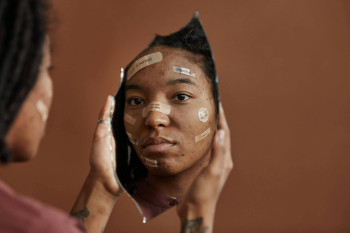
Mental health is a universal concern, yet men including the young boys too often face unique challenges when it comes to acknowledging and talking about their struggles. Despite the growing awareness, many men still suffer in silence out of fear of judgment or being seen as weak, including the social repercussions that come with it.
This reluctance by men to speak up openly about their mental health and challenges can be attributed to many things such as societal, cultural and family backgrounds, which has only led to several serious consequences, contributing to higher rates of untreated depression, substance abuse, and even suicide.
In 2022 alone, nearly 39,045 men died by suicide in the United States, which translates to a man dying by suicide approximately every 13 minutes. From 1999 to 2023, a total of 776,982 men took their own lives. The male suicide rate in 2023 is roughly 23 deaths per 100,000, compared to roughly 6 deaths per 100,000 for women, or a four-times difference.
When it comes to Africa, according to statistics gathered by the National Library of Medicine, the rate of suicide is 11 per 100,000 people, compared to the global average of nine. African men are particularly at risk, with 18 suicides per 100,000, which is significantly higher than the global male average of 12.2.
The statistics are, indeed, alarming and as a society we need to do better or else it will only get worse. Fortunately, its not all doom and groom. Let’s look at an example of typical conversation between two guys:
Eric: Hey bro, how are you doing? I had you were having some challenges at home. Do you want to talk about it?
Daniel: Nah, I am good. Everything is okay now. No need to worry about me.
An example of a simple common conversation that has been heard so many times before when reaching out a man about his challenges and them brushing it off as nothing important to discuss about.
This April, Free Mind Hive is running a campaign about men’s mental health and today, we explore explore:
+ The societal and cultural barriers that prevent men from opening up about mental health.
+ The real-life consequences of this silence.
+ Practical steps men (and those who care about them) can take to foster healthier conversations around mental well-being.
Why Men Stay Silent About Mental Health
1. Societal Expectations of Masculinity
From a young age, many men are taught to embody traits like strength, stoicism, and self-reliance. Phrases like "man up", “be a man” or "boys don’t cry" reinforce the idea that expressing vulnerability is a sign of weakness. As a result, men may suppress emotions rather than risk appearing "unmanly or weak."
2. Fear of Stigma and Judgment
Mental health struggles are often misunderstood, and men may worry about being labelled as "unstable," "dramatic," or "incapable" of performing their roles as men. In workplaces or social circles, including the traditional ones, a man admitting to having anxiety or depression could lead to professional setbacks or social exclusion.
3. Lack of Male
Role Models in Mental Health
Many men don’t see other men—especially those they admire—openly discussing mental health. Without relatable examples, they may assume that seeking help is unnecessary or shameful. Examples of men who have openly spoken about their mental health challenges include:
a) Dwayne "The Rock" Johnson who struggled with depression following his mother’s suicide attempt, including his football career coming to an end due to injury talked openly about it and was quoted saying: "Depression never discriminates. It got me. You’re not alone."
b) Michael Phelps, a talented and celebrated Olympic swimmer struggled with anxiety, depression, and suicidal thoughts despite his success. He now carries out advocacy work with Talkspace to promote therapy and founded the Michael Phelps Foundation for mental health.
c) Kevin Love, an NBA player revealed how he struggled with panic attacks during games, through a powerful essay in The Players’ Tribune. "Everyone is going through something we can’t see,” Kevin stated.
d) Ryan Reynolds, popularly known as our beloved Deadpool and a great actor, has struggled with lifelong anxiety; using humour to cope and normalize conversations. He was quoted saying; "I’ve spent most of my life as a walking open nerve… and I realized anxiety is workable."
e) Kid Cudi, who is a famous rapper in the Hip Hop music industry shocked many when he checked himself into rehab for depression and suicidal urges in 2016. His action’s created a powerful impact in his community and his fans who thanked him for saving their lives by speaking out.
If these icons can speak about their mental health challenges, why not you?
4. Misconceptions About Therapy and Help-Seeking
Some men believe therapy is only for "serious" cases or that they should be able to "fix" their problems alone. Others may not recognize their symptoms as mental health issues, dismissing them as stress or fatigue.
5. The "Fix
It" Mentality
Men are often socialized to be problem-solvers. When faced with emotional distress, they may look for quick fixes like overworking or substance use in form of alcohol abuse rather than addressing the root cause. Others have taken on unhealthy hobbies or habits as a way of managing their problems.
The Consequences of Silence
The reluctance to talk
about mental health doesn’t just lead to personal suffering—it has broader
societal impacts:
a) Higher suicide rates: Men account for nearly 75% of suicide deaths in many countries, partly because they are less likely to seek help before reaching a crisis point.
b) Physical health decline: Chronic stress and untreated mental health conditions can lead to heart disease, high blood pressure, and a weakened immune system.
c) Strained relationships: Unaddressed emotional struggles can cause isolation, anger, and difficulties in personal and professional relationships leading to issues such as gender-based violence.
d) Substance abuse: Many men turn to alcohol or drugs as a coping mechanism, worsening their mental and physical health.
Breaking the Silence: How to Change the Narrative

Breaking the silence around men’s mental health requires collective effort—from individuals, families, workplaces, and society. Here’s how we can encourage healthier conversations:
1. Redefine Masculinity
Strength isn’t just about endurance—it’s also about courage, self-awareness, and seeking help when needed. We need to celebrate men who speak openly about their struggles and normalize emotional expression.
2. Encourage Open Conversations
To get men to start opening about their challenges can be done in two steps:
a) For
Men: Start small. Talk to
a trusted friend or family member about how you’re feeling. You’ll often find
they’ve had similar experiences.
b) For Loved Ones: Check in on the men in your life. Instead of asking, "Are you okay?" (which often gets a reflexive "Fine"), try "How have you really been lately?"
3. Promote Mental Health Resources Tailored to Men
Men may respond better to mental health support that aligns with their communication styles. This could include:
a) Male-focused therapy groups or online forums.
b) Apps designed for men’s mental health (e.g., Headspace, Calm, or Man Therapy).
c) Workplace mental health programs that address stigma.
4. Lead by Example
Public figures, athletes, and influencers who share their mental health journeys help dismantle stereotypes. When high-profile men like Dwayne "The Rock" Johnson or Michael Phelps discuss their struggles, it sends a powerful message: It’s okay not to be okay.
5. Educate Early
Teaching boys’ emotional literacy from a young age can prevent future stigma. Schools and parents should encourage boys to express feelings without shame and encourage programs that support their needs such as boy camps and therapy talks.
6. Seek Professional Help Without Shame
Therapy isn’t a last resort, it’s a tool for growth. If cost or access is a barrier, consider online therapy platforms or support groups. You can also reach out to organisations like Mental Health Uganda or get in touch in with us about your struggles and needs.
Seeking help is not a sign of weakness, but rather a brave act of taking action to better yourself and those who you care about.
The Way Forward
Men’s mental health shouldn’t be a silent crisis. By challenging outdated stereotypes, fostering open dialogue, and providing accessible resources, we can create a culture where men feel empowered to seek help without fear.
If you’re a man struggling in silence, know this: Asking for help isn’t weakness—it’s one of the bravest things you can do. And if you’re someone who cares about a man in your life, your support could be the reason he chooses to speak up. Let’s break the silence—together.