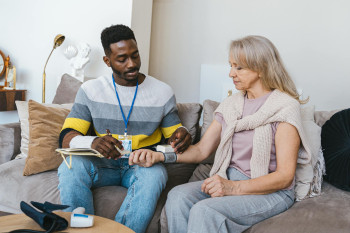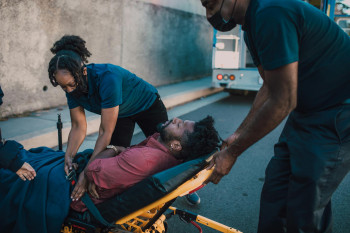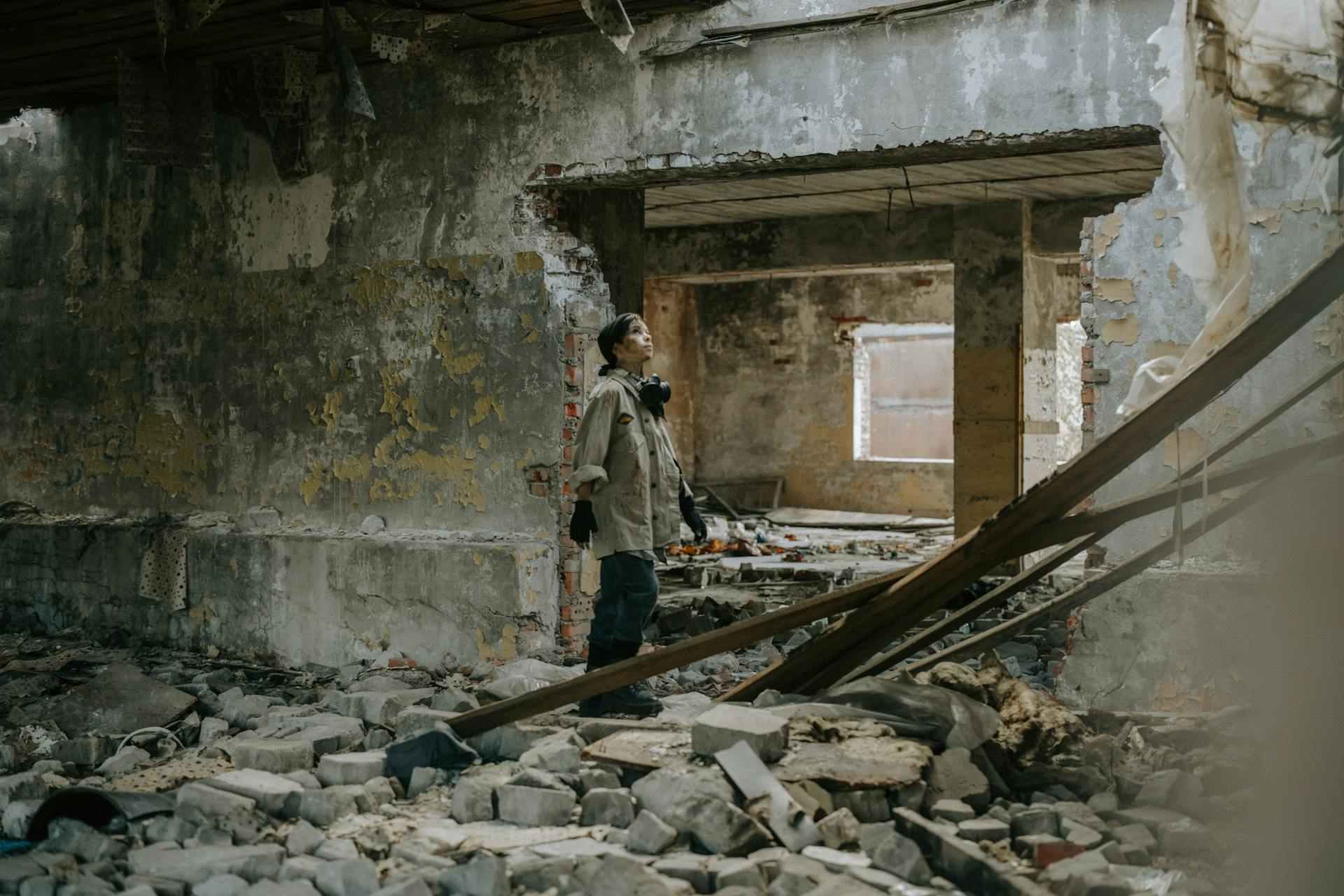
Every year, millions of people around the world are affected by emergencies and catastrophes. These range from natural disasters like floods, earthquakes, and wildfires, to public health crises such as pandemics and outbreaks. But emergencies don’t only happen on a global scale — many also face silent emergencies at home, including abuse, violence, and neglect.
What all these situations share is their impact on mental health. The emotional wounds may not be visible, but they are often as serious as physical injuries. That’s why this year’s World Mental Health Day (October 10th), led by the World Federation for Mental Health (WFMH), focuses on the theme: “Access to Services – Mental Health in Catastrophes and Emergencies.”
What We Know from Research
Almost everyone affected by an emergency experiences some form of psychological distress, according to WHO. 1 in 5 people (22%) who have lived through war or conflict in the past 10 years develop a mental health condition such as depression, anxiety, PTSD, bipolar disorder, or schizophrenia.
Emergencies often disrupt mental health services, leaving those most in need with little or no access to care. Children and adolescents are especially vulnerable. Exposure to violence, family separation, or loss can harm their brain development, emotional health, and future well-being.
Why Mental Health Support Is a Lifeline
Emergencies aren’t only about survival in the moment — they test resilience long after the danger passes. If we don’t invest in our mental health care systems, we find ourselves exposed and vulnerable to the impact disasters can have on your mental well-being. And this can manifest itself in several ways such as:
Families may lose loved ones, stability, and safety — facing grief that ripples across generations.
Children and adolescents exposed to conflict, disasters, or abuse are at risk of depression, anxiety, and even long-term developmental challenges.
Communities fractured by displacement or violence may see rising tension and disconnection.
Nations hit by recurring crises may have health systems so overwhelmed that mental health services fall to the bottom of the list.
Without access to services, trauma festers. With access, people heal, families rebuild, and societies grow stronger.
Common Reactions After Emergencies
Whether it’s a pandemic, conflict, or abuse at home, people often experience:
Anxiety, panic attacks, or fear of recurrence
Irritability, mood swings, or anger outbursts
Trouble sleeping, nightmares, or appetite changes
Physical symptoms like headaches or chest pain
Withdrawal from friends, family, or community life
These are normal reactions to abnormal events. But with support, healing is possible. And the only way we can foster a better future is by investing more in improving our mental health services and ensuring that access isn’t too expensive for those you can’t even afford basic healthcare.
What Happens Without Support?
When there’s no access to mental health services during emergencies, communities and even nations end up baring the burden for example:
Families are left to grieve and cope alone.
Children may suffer trauma that follows them into adulthood.
Communities face rising conflict, isolation, and stigma.
Nations see long-term costs: substance abuse, suicide, and weakened social structures.
The Difference Support Makes
When mental health care is integrated into emergency response, recovery looks very different:
Families receive counseling, safe spaces, and support networks.
Children can heal through play, education, and nurturing relationships.
Communities rebuild with resilience and solidarity.
Nations strengthen their recovery, with healthier citizens able to contribute and thrive.
How to Foster Recovery
Experts highlight five elements that protect mental health during crises:
1. Safety – Ensuring people feel secure and protected.
2. Calming – Teaching strategies like breathing, prayer, or relaxation to reduce panic.
3. Connectedness – Strengthening social ties and peer support.
4. Self-efficacy – Empowering people to take meaningful actions.
5. Hope – Reminding survivors that recovery is possible.
These principles are simple but powerful, helping individuals, families, and communities navigate crises with resilience.
What You Can Do?
Learn the signs of distress in yourself and others, and offer supportive listening as sometimes being present makes the biggest difference. You can also advocate for mental health services to be part of every emergency response.
Final Thought
Catastrophes and emergencies — whether global or personal — will always test human strength. But healing doesn’t come from survival alone. It comes from restoring dignity, safety, and hope through access to mental health care.
This World Mental Health Day, let’s stand together for one clear message:👉 In every crisis, mental health support is not a luxury — it’s a lifeline.