At Free Mind Hive, we believe that every child deserves the chance to thrive, not just survive. As we begin our February campaign inspired by Place2Be’s theme, "Know Yourself, Grow Yourself," we start with the heart of it all—understanding child mental health.
Child mental health is a critical yet often overlooked aspect of overall well-being. Just as physical health is important for growth and development, mental health plays a significant role in shaping a child’s emotional, social, and cognitive development. Unfortunately, many children face challenges that can negatively impact their mental health, leading to long-term consequences if not addressed.
Why Understanding Child Mental Health Matters
Child mental health refers to a child’s emotional, psychological, and social well-being. It influences how children think, feel, and behave, and it helps them navigate challenges, build relationships, and develop a sense of self. Good mental health enables children to thrive in school, at home, and in their communities.
Children are like seeds, full of potential and promise. But just like seeds need the right soil, sunlight, and care to grow, children need emotional support, understanding, the right attachments, connections and safe environments to flourish. Mental health isn’t just about the absence of illness—it’s about feeling safe, valued, and connected in a world that can sometimes feel overwhelming.
Unfortunately, my mental health was compromised by trauma as a child. By age six, I had a plan to end my pain by suicide. So many have thought children are immune from mental illness, and yet research from the World Health Organisation (WHO) indicates that half of the mental illness begin by age 12 to 14.
The reality is, many children carry invisible burdens, feelings they can’t name, worries they don’t know how to express, or trauma they’re too young to understand. Without the right support, these emotional wounds can impact their ability to learn, build relationships, and embrace the beautiful, unique people God created them to be.
Seeing the World Through Their Eyes
Imagine being a child trying to make sense of big emotions with little understanding of what they mean. A simple mistake at school might feel like the end of the world. A fight with a friend could feel like losing their only safe space. For children who have experienced trauma, even ordinary situations can trigger deep fear or anxiety.
When we take the time to understand what’s happening beneath the surface, we give children the message that their feelings matter. We’re telling them, “You’re not alone. What you’re feeling is valid. And together, we can find a way through.”
Breaking the Silence Around Mental Health
For too long, mental health has been a topic whispered about in the shadows, especially in communities where talking about emotions might be seen as a weakness. But here’s the truth—talking about mental health is an act of courage, not weakness.
When we open up conversations about mental health with children, we equip them with the language to express themselves and the confidence to seek help when they need it. We teach them that it’s okay to feel sad, scared, or overwhelmed—and that these feelings don’t define who they are.
The Power of Trauma-Informed Support
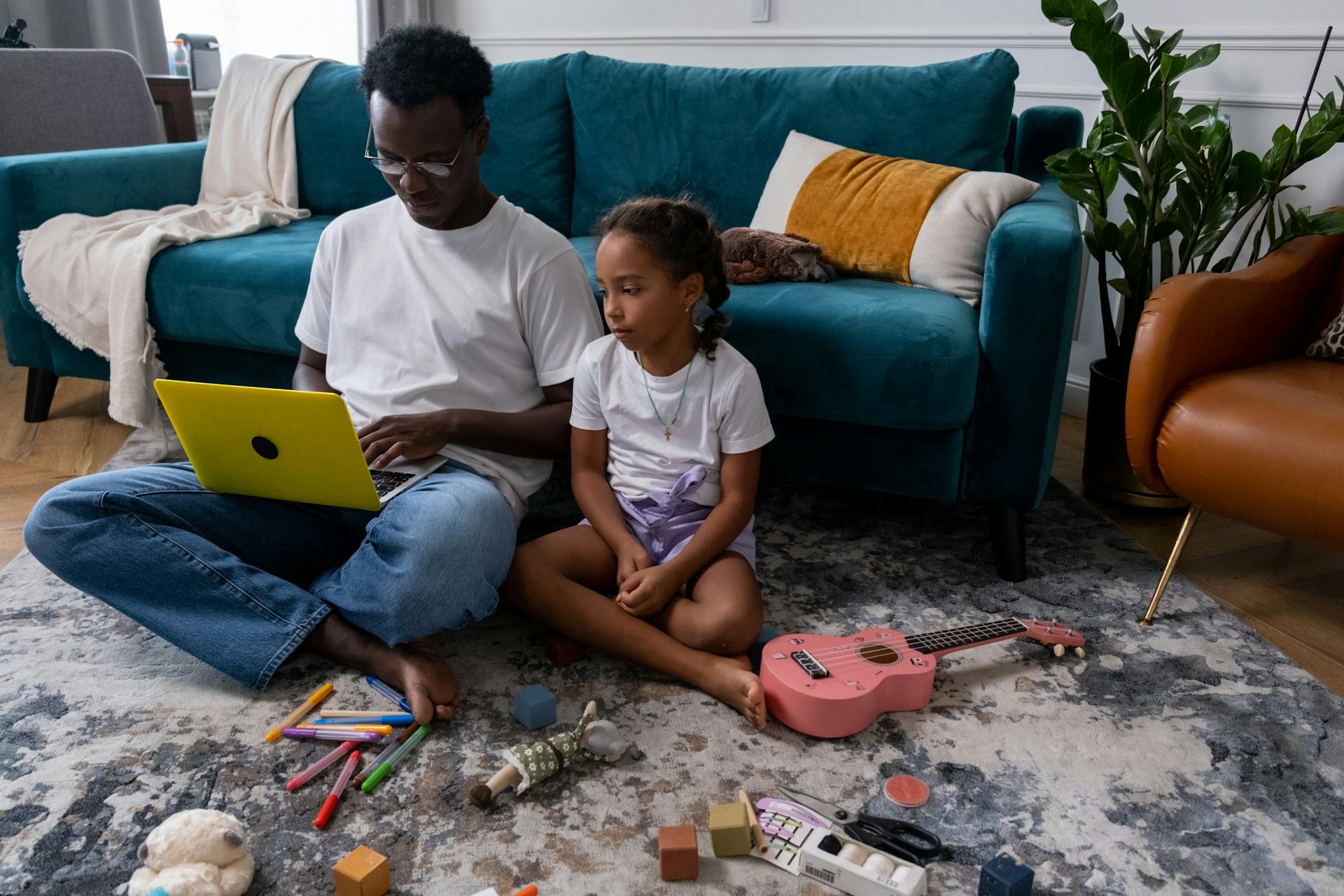
 Photo by Kindel Media/Pexels
Understanding child mental health also means recognizing how trauma can affect a child’s mind and body. Trauma isn’t just about major life events—it can be bullying, losing a loved one, parental separation, or even moving to a new place. Trauma shapes how children see themselves and the world around them, often leaving them feeling unsafe or unloved.
That’s why trauma-informed mental health support is so essential. It’s about creating safe spaces where children feel seen, heard, and supported. It’s about teaching them coping strategies, building resilience, and reminding them that their past does not define their future.
Causes of Poor Mental Health in Children
Several factors can contribute to poor mental health in children. Understanding these causes is the first step toward addressing them effectively.
1. Genetic and biological Factors: Mental health conditions like anxiety, depression, or ADHD can run in families due to genetic predispositions.
2. Brain chemistry imbalances or developmental delays can also play a role.
3. Trauma and adverse childhood experiences (ACEs): Exposure to trauma, abuse, neglect, or violence can have a profound impact on a child’s mental health. ACEs, such as parental divorce, substance abuse in the family, or the loss of a loved one, can lead to long-term emotional struggles.
4. Environmental stressors: Poverty, homelessness, or unstable living conditions can create chronic stress for children. Bullying, peer pressure, or social isolation at school can also harm mental health.
5. Parental mental health: Children are deeply influenced by their parents’ emotional well-being. If a parent struggles with mental health issues, it can affect the child’s sense of security and stability.
6. Academic pressure: High expectations, excessive homework, or fear of failure can lead to stress, anxiety, and burnout in children.
7. Technology and social media: Overuse of screens, cyberbullying, or exposure to inappropriate content can negatively impact a child’s mental health.
Signs of Poor Mental Health in Children
Recognizing the signs of mental health struggles is crucial for early intervention. Some common indicators include:
Persistent sadness or irritability
Changes in appetite or sleep patterns
Difficulty concentrating or declining academic performance
Withdrawal from friends or activities they once enjoyed
Frequent physical complaints (e.g., headaches or stomachaches) without a medical cause
Aggressive or rebellious behaviour.
How We Can Help
Listen First: Sometimes, what a child needs most is someone to simply listen without judgment.
Create Safe Spaces: Whether at home, in school, or in the community, children need environments where they feel emotionally safe.
Encourage Expression: Through play, art, or words, give children tools to express their emotions in healthy ways.
Educate Ourselves: Understanding mental health helps us better support the children in our lives.
A Brighter Future Begins Today

Photo by Agung Pandit Wiguna/Pexels
As we kick off this campaign, let’s remember: understanding is the first step toward healing. Every conversation, every moment of empathy, every effort to connect with a child’s heart plants the seeds for resilience and growth.
Child mental health is a cornerstone of lifelong well-being. By understanding the causes of poor mental health and taking proactive steps to support children, we can help them build resilience, emotional intelligence, and a positive outlook on life. Remember, every child is unique, and there is no one-size-fits-all approach.
Together, we can create a world where children not only know themselves but also believe in their ability to grow into the strong, resilient individuals God intended them to be. Let’s walk this journey with them—one heart, one conversation, one step at a time.
Stay tuned for Week 2, where we’ll dive into Addressing Trauma with Compassion.