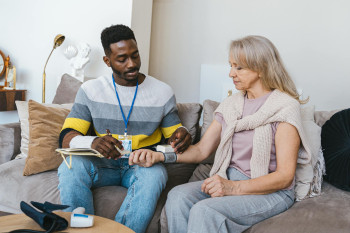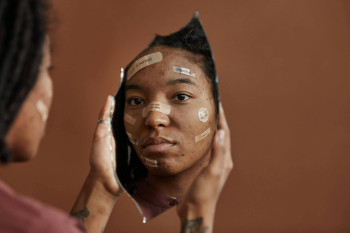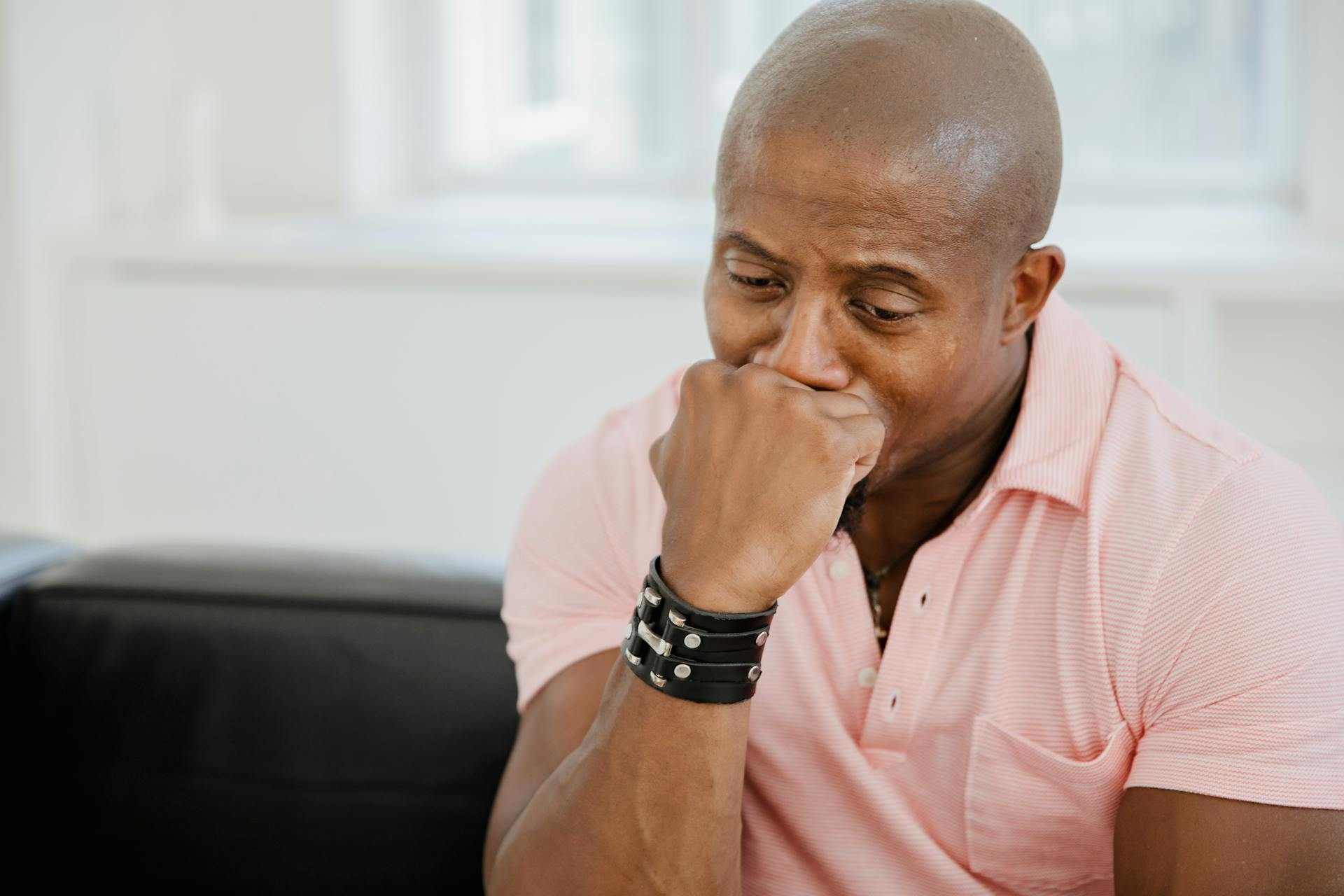
Throughout history, in various cultures, men have been brought up to view the expression of emotions as a weakness. They have been conditioned to suppress their feelings, to present a facade of toughness, and to associate vulnerability with a lack of strength.
Expressions like "man up" and “boys don’t cry” have resonated in sports teams, workplaces, and homes, further cementing the belief that true men do not express their emotions, fostering a culture of emotional restraint that often forces men to carry their burdens on their own.
This societal view has resulted in men concealing their feelings, which has a significant impact on their mental health. However, behind that resilient facade, many men struggle with stress, anxiety, and a deep sense of loneliness.
Articulating complete truths can be difficult in any situation, but it appears that men's connection with their emotions may be especially complex. However, what if the very process of becoming vulnerable and opening up is a true testament to strength?
What if expressing feelings could foster deeper relationships, enhance mental well-being, and lead to a more satisfying life? This conversation isn't about rejecting masculinity; rather, it's about reshaping it to incorporate the bravery needed to be authentic.
The Strength in Vulnerability
The expectation in society for men to appear strong and emotionless has a long history. Starting from a young age, boys are frequently urged to hide their feelings, such as sadness or fear, with phrases like "man up" or "no crying." Although being resilient is important, stifling emotions can result in negative outcomes.
Dr. Brene Brown, a research professor recognized for her studies on vulnerability, argues, "By isolating ourselves from vulnerability, we separate ourselves from the moments that provide purpose and significance in our lives." By concealing their true selves, men might shield themselves from immediate pain but jeopardize lasting emotional connection.
Consider the late Luke Bell, a renowned musician and songwriter who appeared to have it all success, fame, and admiration. Behind the scenes, he battled depression and struggled with vulnerability. His tragic passing highlighted that external achievements don't shield one from internal struggles. It underscores the importance of addressing emotions openly rather than masking them.
In contrast to common perceptions, showing vulnerability is not an indication of frailty, but rather a display of bravery and genuineness. Sharing one's emotions means confronting the fear of criticism or being turned away, which is a significant demonstration of courage.
In her book “A War Against the Boys,” Christina Hoff Sommers sheds light on the challenges faced by young boys who are struggling to keep up in various aspects of life. She explores the issues of low self-esteem and confidence among today’s boys, who in many cultures have been labeled as weak, often for merely expressing their emotions.
Sommers argues that while boys do require support, it is not the type they have been receiving. They need assistance in embracing vulnerability, along with love, discipline, respect, and moral guidance. What they do not require is to be saved from their masculinity; rather, they urgently need empathy and understanding.
Embracing vulnerability allows men to enhance their mental health
Embracing vulnerability allows men to enhance their mental health, as sharing emotions can lighten the load of internal conflicts and lessen anxiety and depression. Being genuine strengthens connections with others, building trust and intimacy. Recognizing and facing emotions fosters increased self-awareness and resilience, which supports personal development.
This journey is not about diminishing male identity or discarding traditional masculine roles. Rather, it focuses on enriching these roles through authenticity and emotional intelligence. By incorporating vulnerability into their lives, men can become more resilient, adaptable, and truly strong.
Furthermore, when men accept vulnerability, the benefits reach beyond individual well-being and relationships; they foster a more compassionate and understanding society, as well as stable, loving families.
Workplaces benefit when leaders model vulnerability, leading to better teamwork and productivity. A manager who admits mistakes and shares challenges fosters an environment where employees feel safe to innovate and collaborate.
Communities become more connected when individuals support one another genuinely. Men who engage openly in community initiatives can inspire others to do the same, strengthening social bonds.
Lower rates of depression and suicide

Additionally, combating the stigma surrounding men's mental health can result in lower rates of depression and suicide. The World Health Organization reports that men are less inclined to seek assistance for mental health challenges, which contributes to higher suicide rates in comparison to women.
By fostering an environment where vulnerability is accepted, we can alter this trend, motivating more men to seek the support they require.
Embracing vulnerability is a powerful act that reshapes our understanding of strength. It involves recognizing that genuine courage comes not from hiding our emotions, but from confronting them directly. By being open, we enable ourselves to live more authentically, forming deeper connections with others and enhancing our own emotional experiences.
Embracing vulnerability can be a tough journey, often marked by uncertainty. However, the benefits of a healthier mind, deeper relationships, and a more fulfilling life are truly invaluable. By prioritizing your well-being, you're also playing a vital role in fostering a cultural shift that appreciates openness and genuine human connection.