We are living in a world where everything is in a rush, where stress and emotional challenges are common, maintaining mental well-being is essential. One powerful source of support comes from spiritual communities, which offer a blend of faith, friendship, and healing.
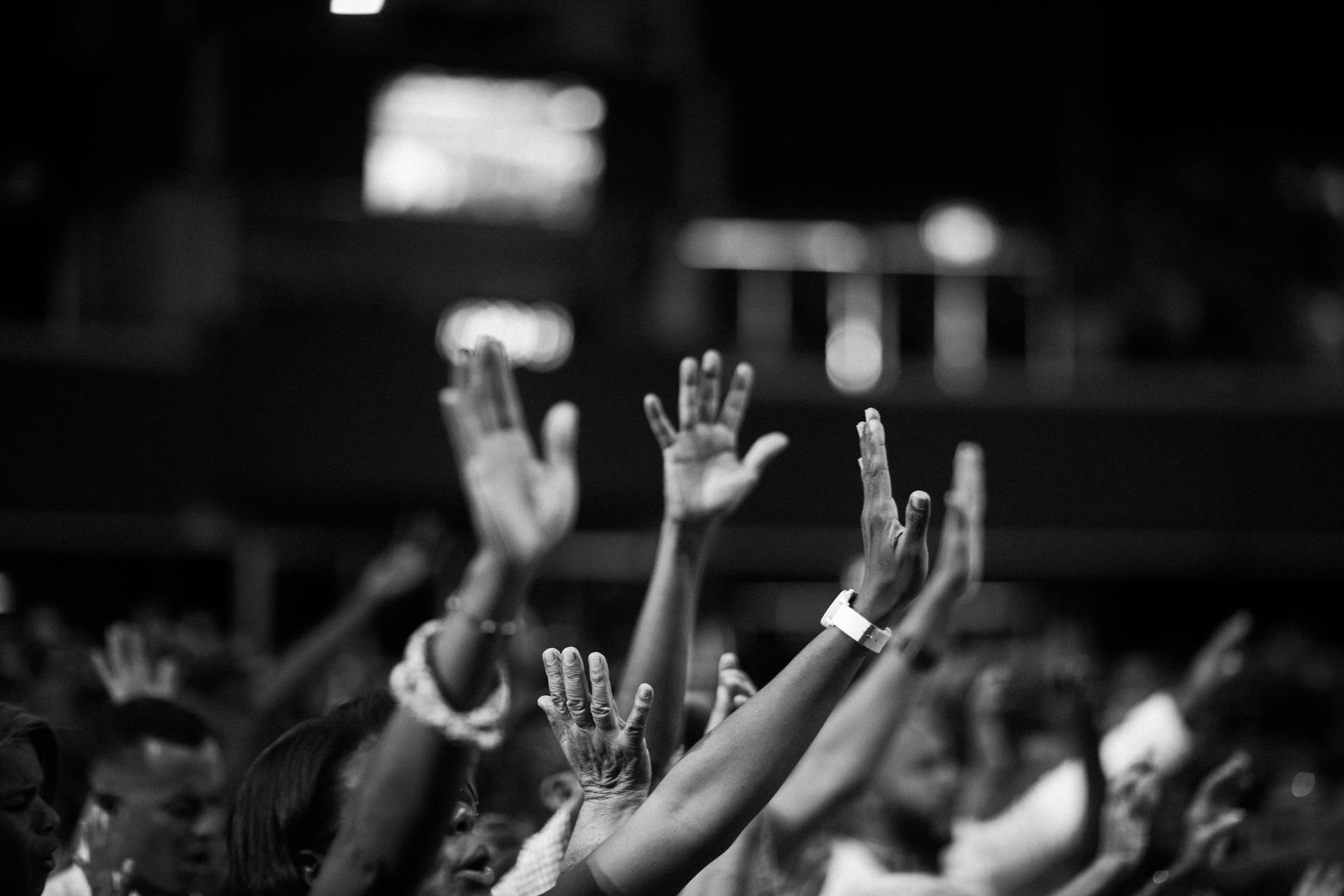
Whether through religious gatherings, meditation circles, or faith-based support networks, these communities create spaces for emotional resilience and spiritual growth.
The Power of Spiritual Community
Spiritual communities provide a sense of belonging and connection, helping individuals navigate life's challenges with support from others. These communities and networks strengthen mental health by:
Creating a safe space for individuals to share feelings and experiences.
Encouraging emotional openness, which fosters healing.
Offering guidance, encouragement, and unconditional support during difficult times.
When people feel seen, heard, and understood, they are more likely to overcome personal struggles with strength and resilience. In the Bible, the early Christian community is described as supporting one another in Acts 2:44-45: “All the believers were together and had everything in common. They sold property and possessions to give to anyone who had need.”
Faith: A Foundation for Inner Strength
Faith—whether religious, spiritual, or philosophical—provides a guiding force in difficult times. It helps individuals find meaning, cultivate hope, and develop resilience through:
A sense of purpose, bringing clarity and motivation.
Comfort in uncertainty, reassuring believers that struggles are temporary.
Spiritual practices such as prayer, meditation, and mindfulness, which promote emotional balance.
Research has shown that individuals with strong spiritual beliefs often experience greater resilience, allowing them to maintain a positive outlook despite challenges. Spiritual communities also help individuals adhere to their values and beliefs, offering guidance and accountability. The best example comes from Proverbs 27:17 which states, "As iron sharpens iron, so one person sharpens another," highlighting the importance of mutual growth and accountability.
Friendship: The Power of Connection
Friendship is at the core of spiritual communities, providing deep, meaningful relationships that improve mental well-being. These friendships play a pivotal role in:
Reducing loneliness, fostering emotional security and inclusion.
Providing support and helping people navigate personal and emotional challenges.
Encouraging healing and allowing individuals to express struggles openly without judgment.
Spiritual friendships often go beyond surface-level interactions, offering lifelong bonds that strengthen emotional resilience. Proverbs 17:17 says it best: “A friend is always loyal, and a brother is born to help in time of need.”. This verse highlights loyalty and support as hallmarks of true friendship, and that ties into the spiritual communities we choose to interact with.
Healing: Restoring Mind, Body, and Spirit
Spiritual communities actively promote holistic healing and do this through various practices:
Counselling and support groups offer mental health assistance and crisis intervention.
Acts of service and compassion reinforce kindness and emotional recovery.
Meditation, prayer, and rituals encourage relaxation, reduce stress, and support overall well-being.
By integrating faith, friendship, and healing, these communities create nurturing environments where individuals feel valued, supported, and empowered.
Benefits of Spiritual Communities
Engaging with a spiritual community can improve mental well-being by:
Reducing loneliness and isolation.
Providing a strong sense of purpose and meaning.
Encouraging personal growth and emotional resilience.
Offering a support system of like-minded individuals.
A Community That Cares
Spiritual communities are more than places of worship, they are lifelines for emotional well-being. Through faith, friendship, and healing, they provide a holistic approach to mental health, offering support, connection, and guidance. Whether seeking spiritual growth, emotional support, or a sense of belonging, engaging with a faith-based community can be a transformative experience.