In many African
cultures, men are raised to be strong, silent, and unshaken. Emotions are often
seen as weaknesses, and vulnerability
is misunderstood as failure. But beneath this mask of resilience, many men
carry silent burdens, traumas, fears, and struggles that never find the light
of day.
As someone who
creates and dreams of a better world through design, I’ve often reflected on the
invisible weight I carry as a man. But I’ve also witnessed a beautiful truth:
when faith and community meet, healing becomes possible.
Faith as a Safe Ground
Faith is more than
religion, it is trust in something greater, and a belief that pain can lead to
purpose. For many men, faith offers a safe inner space when the external world
becomes overwhelming. It helps to ground our identities beyond work, status, or
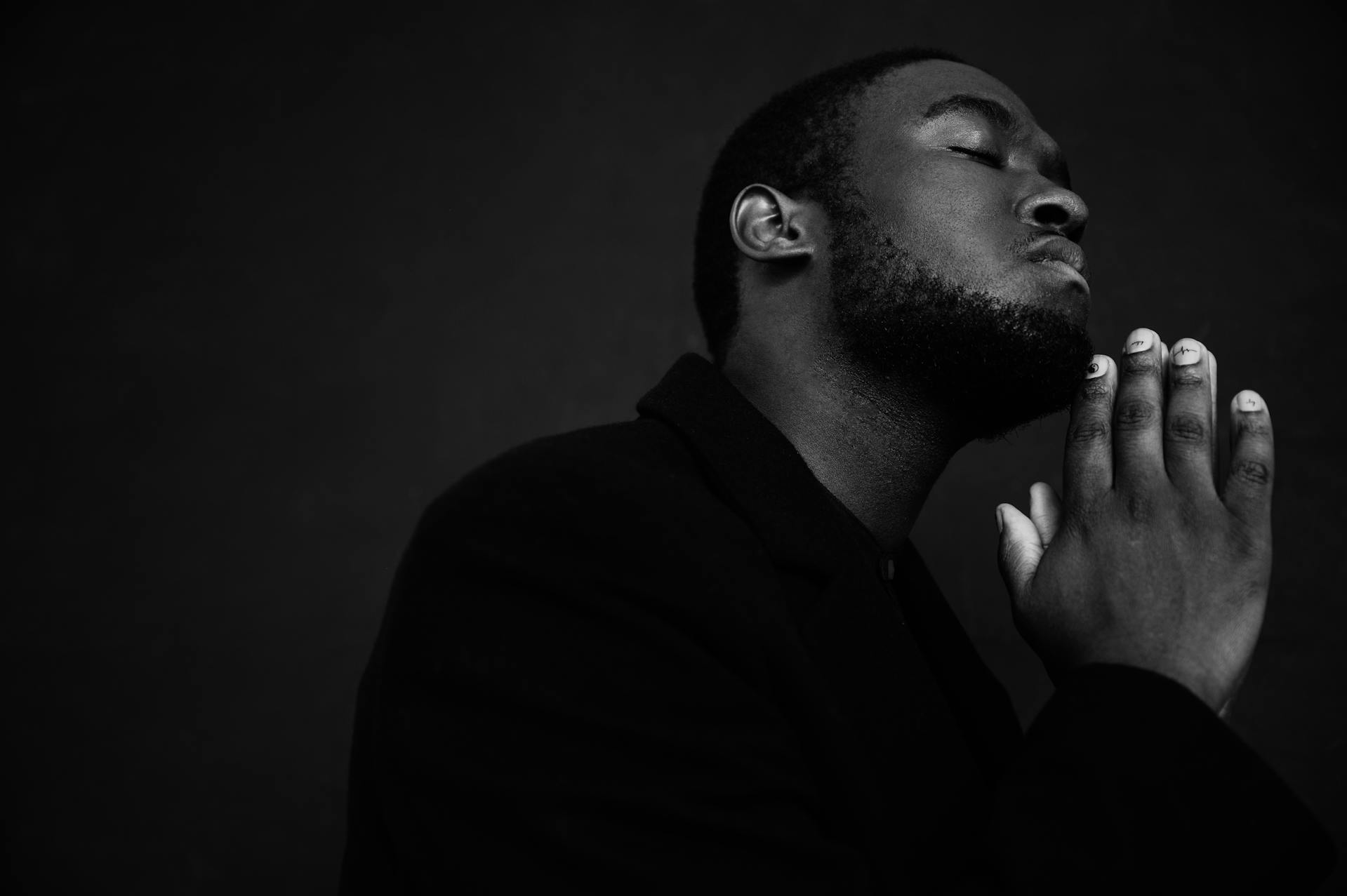
masculinity. Through prayer, reflection, and surrender, faith allows men to
grieve, question, and even fall apart without shame.
In the scriptures,
we find men like David, Elijah, and Job who openly cried out to God. Their
vulnerability wasn’t weakness but rather, it was divine courage. Their healing
began not when they denied their pain, but when they embraced it in the
presence of God.
Community as a Mirror and a Cushion
One of the most
powerful tools for healing trauma is community. When we gather with others who
have walked through the fire and survived, we realize we’re not alone. Such
spaces can be found at Christian-community based organizations like Free Mind
Hive, church and cell groups, all ministering healing and comfort.
In a world where
men are often told to “man up,” safe spaces where they can just be without
judgment are rare but priceless. At Free Mind Hive, these spaces are real.
Here, men share their stories, their truths, their doubts and they are met with
love, not labels.
Healing
accelerates when we are seen. A brother’s “I understand” or a simple “you’re
not alone” could be enough to change a man’s story.
Luke
5:18-20: Some men came carrying a paralyzed man on a mat and tried to take him
into the house to lay him before Jesus. 19 When they could not find a way to do this because of
the crowd, they went up on the roof and lowered him on his mat through the
tiles into the middle of the crowd, right in front of Jesus. 20 When Jesus saw their
faith, he said, “Friend, your sins are forgiven.”
This message is
deeply symbolic; the man that couldn’t reach healing on his own had his
community and his friends carry him and their collective faith moved Jesus to
act.
Healing doesn’t have
to begin with personal strength alone.
The Spiritual Approach to Trauma
Trauma often disconnects
us from ourselves, others, and even God. It tells us we are broken,
undeserving, or alone. But spirituality rewrites that story. It tells us:
+ You are
more than your pain.
+ You are
not defined by what happened to you.
+ There
is purpose in your healing.
Through spiritual
practices like prayer, meditation, journaling, or worship, men can reconnect to
their inner child, their buried pain, and begin to process it not in isolation,
but with divine help. Spiritual healing is not about forgetting the trauma.
It’s about transforming it into wisdom, compassion, and new life.
Romans 8:28: and we
know that in all things God works for the good of those who love him,
who have been called according to his purpose.
Reimagining Masculinity

It’s time we
redefine what strength looks like.
+ Real
strength is crying and still choosing to get up.
+ Real
strength is asking for help.
+ Real
strength is leaning on faith when you’ve lost all control.
As a designer, I
believe we can redesign the cultural blueprint of masculinity. One that allows
softness, stillness, spirituality, and healing. One that invites men into a
circle, not a cage.
Grace for the road ahead
To every man
reading this:
+ You are
not your trauma.
+ You are
not your silence.
+ You are
a vessel of light.
· You are
deeply loved.
We stand with you
in faith, community, and healing. Let us walk this journey together. If you’re
interested in being part of an online community that shares common values and
vision towards better mental well-being, find us on Telegram @FreeMindHive and let's continue the
conversation!