In a world where women continue to shatter glass ceilings, mental well-being remains a vital key to unlocking true empowerment. When we talk about "barriers," we’re not just discussing physical obstacles; we’re addressing the invisible forces—stigma, trauma, societal expectations—that hinder women’s progress in both personal and professional realms.
What Are Barriers, and Why Do They Exist?
Barriers to mental well-being come in many forms:
Social Stigma: Negative stereotypes around mental health often prevent women from seeking help.
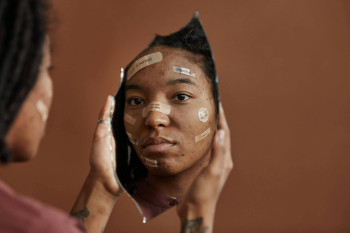
Trauma and Discrimination: Many women experience trauma—from childhood abuse to gender-based violence—that leaves deep emotional scars.
Economic and Professional Pressures: Balancing work, family, and personal care, often with fewer resources, creates stress and burnout.
Cultural Expectations: Societal norms may demand women put others first, neglecting their own emotional needs.
Why Do These Barriers Exist?
Historical Inequities: Generations of gender inequality have normalized the sacrifice of women’s mental health for family or career success.
Lack of Awareness and Support: In many communities, mental health isn’t discussed openly, leading to a lack of proper resources and understanding.
Economic Disparities: Financial stress and limited access to affordable mental health services exacerbate these challenges, trapping women in cycles of stress and burnout.
How to Break the Barriers
1. Embrace Self-Care and Therapy
Prioritize your well-being by carving out time for self-care. Regular therapy sessions and mindfulness practices like meditation or journaling can significantly reduce stress and help process past traumas.
Resource: National Alliance on Mental Illness (NAMI) offers guidance and support for those seeking mental health services.
2. Build Support Networks
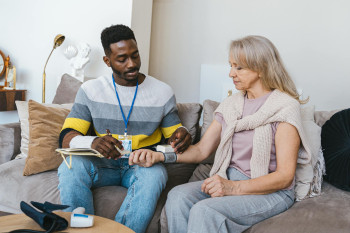
Surround yourself with a community of supportive peers, mentors, and professionals who understand your journey. Peer support groups and community organizations provide a safe space to share experiences and strategies for healing.
Resource: Mental Health America provides local support group directories and resources.
3. Lean on God to Fulfil His Purpose for You
In moments of doubt and struggle, leaning on God provides strength and guidance beyond what we can muster on our own. Embracing a spiritual foundation through prayer, meditation, and scripture can help you see beyond your current challenges.
Trust that God has a unique purpose for your life—one that includes overcoming these barriers and emerging stronger than ever before. When you seek His guidance, you gain the wisdom and courage needed to break free from limitations.
4. Advocate for Change
Advocacy isn’t just for policy-makers. When women speak up about mental health or trauma, they help break down stigmas and create lasting change. Join or form advocacy groups that push for better mental health and trauma informed care policies and resources for women.
Resource: Check out initiatives by Free Mind Hive and similar organizations working on women's empowerment through mental health advocacy.
Why Break These Barriers?
Empowerment Through Mental Health: When barriers are removed, women can experience a transformation in their lives:
Increased Confidence: Healing from trauma builds resilience, boosting self-esteem and enabling women to pursue opportunities without fear.
Professional Success: A strong mental foundation translates into better decision-making, creativity, and productivity—qualities that lead to personal and professional achievements.
Personal Fulfilment: Breaking free from the cycle of stress and self-doubt allows women to experience deeper satisfaction in both personal relationships and career endeavours.
The Link Between Mental Well-Being and Success

Research consistently shows that mental well-being is a cornerstone of success. According to the World Health Organization, mental health conditions can reduce productivity by 35% in severe cases. By addressing trauma and investing in mental health, women not only heal but also unlock their full potential, paving the way for groundbreaking achievements in every sphere of life.
Addressing Trauma: The Catalyst for Change
Trauma often lurks beneath the surface, affecting daily life and decision-making. When trauma is acknowledged and addressed, women reclaim their power, transforming pain into strength. This process is essential for both personal growth and professional success.
Resource: The Trauma Recovery Institute provides tools and workshops designed specifically for women seeking to overcome trauma.
How Trauma Impacted My Personal and Professional Achievements
Trauma has a way of infiltrating every aspect of our lives. On a personal level, the wounds of traumatic events can erode self-confidence, making it difficult to form or maintain close relationships. I experienced this firsthand when unresolved trauma affected my ability to keep long-lasting friendships. The lingering effects of past pain made it challenging to trust and connect with others, sometimes isolating me from those who cared most.
Professionally, trauma can have an equally profound impact. I once embarked on the journey to become a doctor with dreams of making a difference. However, the overwhelming weight of my emotional scars forced me to step away—I didn’t finish my first year of medical school. This setback was not a reflection of my abilities, but a stark reminder of how unresolved trauma can derail even our most cherished ambitions.
Yet, even in the midst of these challenges, there were moments of personal triumph. By God's grace I was and still able to lean on Him for fellowship, ideas and more, I discovered new passions like baking, I have the best support network, and found strength in the little victories that marked my healing journey.
These personal achievements, though hard-won, served as reminders that the scars of trauma do not define us. Instead, by addressing and healing from our past, we create space for growth, resilience, and new opportunities both in our personal lives and our professional endeavours.
In Conclusion
Breaking barriers means dismantling the invisible walls that keep women from realizing their fullest potential. By focusing on mental well-being, addressing trauma, and fostering an environment of support and advocacy, we create a pathway to empowerment—one where every woman and girl can shine.
Let’s continue to champion mental health, break the stigmas, and empower women to succeed on every level.
Join the Conversation:
How have you overcome barriers to your mental well-being? Share your story in the comments or join our community forum on Telegram on https://t.me/freemindhive for ongoing support and inspiration.