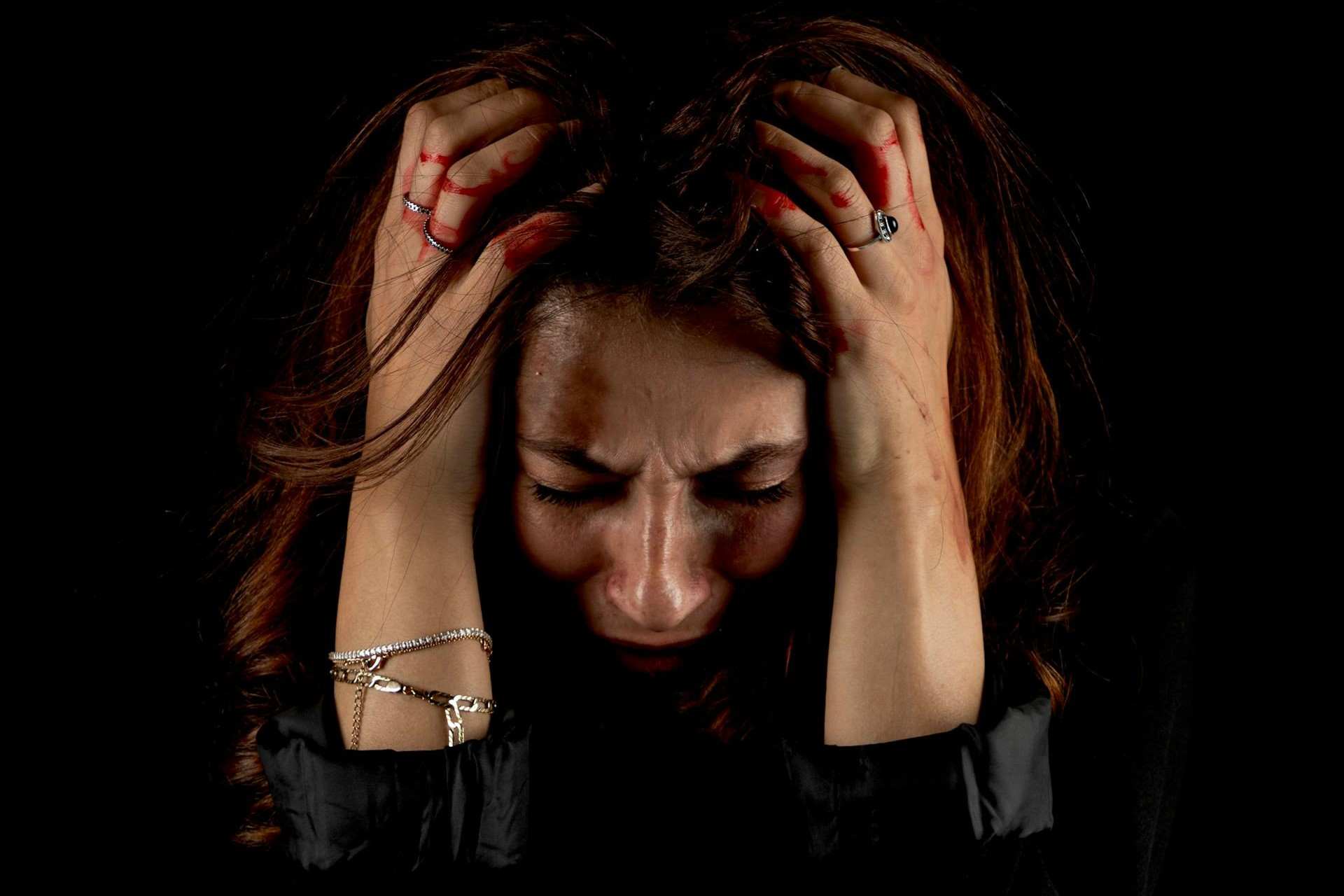
Trauma can feel like an invisible weight, pressing down on every aspect of life—affecting emotions, relationships, careers, and even physical health. For many women, the scars of past experiences linger, shaping how they see themselves and the world. But healing is possible. Through faith, therapy, and holistic recovery tools, women can reclaim their strength, rebuild their confidence, and step into the fullness of life.
What is Trauma?
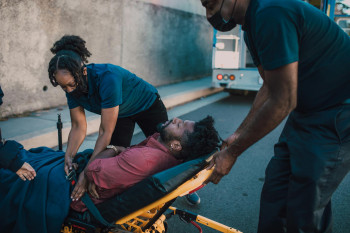
Trauma is any deeply distressing or disturbing experience that overwhelms a person’s ability to cope. It can be a single event—like an accident or assault—or a series of experiences, such as childhood neglect, domestic violence, or workplace discrimination.
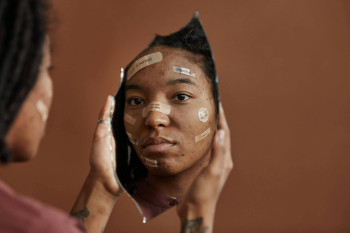
Trauma doesn’t just live in memories; it settles in the body, affecting emotions, behaviors, and even physical health. It can make simple things feel overwhelming and steal the sense of safety and joy that every woman deserves.
What is Women’s Trauma?
While trauma affects both men and women, women often face unique challenges. Gender-based violence, discrimination, societal expectations, and caregiving burdens contribute to specific types of trauma that many women silently carry. Examples could include:
The woman who suppresses childhood abuse because “strong women don’t break.”
The single mother working multiple jobs, feeling like she’s failing at everything.
The professional is constantly battling workplace bias, questioning her worth.
The survivor of domestic violence who is struggling to rebuild her sense of self.
Women’s trauma isn’t just about what happened—it’s about how deeply those experiences impact self-esteem, relationships, and the ability to dream again.
A Holistic Approach to Healing Trauma

Healing isn’t about “getting over it” or pretending the pain never existed. True healing is a journey—one that embraces every part of a woman’s being: mind, body, and spirit.
1. Faith: Finding Strength in God
For many women, faith is the anchor that holds them through life’s storms. Leaning on God provides not just comfort but a reminder that healing is part of His plan.
Psalm 147:3 – "He heals the brokenhearted and binds up their wounds."
Isaiah 61:3 – "To bestow on them a crown of beauty instead of ashes, the oil of joy instead of mourning, and a garment of praise instead of a spirit of despair."
Faith isn’t about ignoring pain—it’s about knowing that pain doesn’t have the final say. Through prayer, worship, and trusting God’s promises, women can find hope even in the darkest moments.
2. Therapy: Giving Yourself Permission to Heal
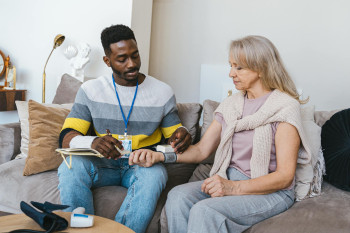
Faith and therapy are not opposites. They work together. Seeking professional help doesn’t mean a lack of faith—it means courage. Therapy provides a safe space to process emotions, unlearn harmful patterns, and develop healthy coping mechanisms.
Trauma-informed therapy, Cognitive Behavioral Therapy (CBT), and Eye Movement Desensitization and Reprocessing (EMDR) are all effective approaches to healing. Women don’t have to carry their burdens alone. Talking to a trained professional can be a life-changing step toward freedom.
3. The Power of Community: Safe Spaces for Healing
Healing is not meant to be a solo journey. Having a supportive, non-judgmental community can make all the difference.
What are safe spaces? Environments where women can share their struggles without fear of shame or judgment.
Why do safe spaces matter? Because healing happens when we feel heard, seen, and understood.
Whether through church groups, peer support circles, or online communities, connecting with others who truly understand can provide the encouragement and strength needed to keep moving forward.
4. Self-Care: Reclaiming Your Well-Being
Self-care is not selfish—it’s survival. Women who have experienced trauma often prioritize everyone else’s needs while neglecting their own. But healing requires intentional self-care.
Practical Self-Care Tips for Healing Women:
Set boundaries – Say no to toxic relationships, overworking, and emotional drains.
Prioritize rest – Sleep, unplug, and take mental health breaks.
Move your body – Exercise, yoga, or even simple walks can help process emotions.
Journaling – Writing down thoughts can bring clarity and emotional release.
Creative expression – Art, music, and dance are powerful healing tools.
Taking time for yourself is not a luxury; it’s a necessity. When women heal, families, workplaces, and entire communities heal, too.
Embracing the experience and Journey
Healing from trauma is not a straight path—it’s a journey with ups and downs. Some days will feel like progress; others may feel like setbacks. But every step, no matter how small, is a victory.
With faith as a foundation, therapy as a guide, community as support, and self-care as nourishment, every woman can move from surviving to thriving. Healing is not just about forgetting the past—it’s about reclaiming the future.
If you or a woman you know is struggling with trauma, don’t walk the journey alone. There is hope, there is help, and there is healing. You are worthy. You are loved. You are stronger than your pain.