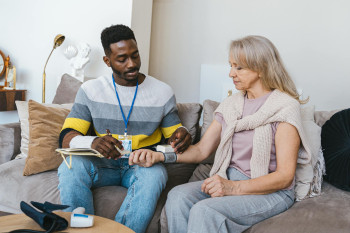
In a world where loneliness, stress, and mental health struggles are increasingly common, the need for safe spaces has never been greater. A safe space is more than just a physical location—it’s an environment where people feel heard, valued, and supported without fear of judgment.
Mental well-being is not just an individual journey; it is deeply intertwined with the connections we share and the environments we inhabit. Fostering a sense of belonging and creating safe spaces within communities is paramount to supporting those who are struggling and promoting overall well-being. Today, we explore the vital role of safe spaces and how we can collectively build communities that truly care.
What Exactly is a "Safe Space" for Mental Health?
A safe space, in the context of mental health, is more than just a physical location. It's an environment where individuals feel psychologically secure, free from judgment, stigma, and discrimination. It's a place where they can:
Express their thoughts and feelings openly and honestly without fear of negative repercussions.
Be vulnerable and share their experiences, knowing they will be met with empathy and understanding.
Feel heard, validated, and accepted for who they are, regardless of their mental health status.
Find support and connect with others who may share similar challenges.
Access resources and information without shame or anxiety.
These spaces can exist in various forms, from dedicated support groups and community centres to inclusive workplaces, schools, online forums, and even within our own families and friendships. Examples of Safe Spaces in action include:
Support groups (e.g., for anxiety, grief, or addiction recovery).
Online communities (moderated forums, Discord groups).
Mental health workshops (mindfulness, coping skills sessions).
Community hubs (libraries, cafés with mental health resources).
The Power of Community in Mental Well-being
Humans are inherently social creatures. Our connections with others play a crucial role in our mental health. Belonging to a supportive and safe community can:
Reduce isolation: Loneliness and isolation are significant contributors to poor mental health. Communities provide a sense of connection and remind us that we are not alone.
Build a sense of belonging: Feeling accepted and valued within a group fosters a strong sense of belonging, which is fundamental to our emotional security.
Provide a sense of purpose: Contributing to a community or supporting others can provide a sense of purpose and meaning in life.
Offer emotional support: In times of difficulty, a caring community can offer invaluable emotional support, providing a listening ear and a shoulder to lean on.
Share coping strategies: Within a community, individuals can share coping mechanisms and learn from the experiences of others facing similar challenges.
Challenge stigma: By fostering open conversations about mental health, communities can help break down stigma and create a more understanding society.
Building Communities That Care: Practical Steps

Creating safe spaces and nurturing caring communities is a collective responsibility. Here are some practical ways we can all contribute:
1. Practice active listening: When someone is sharing, listen with empathy and without interruption. Focus on understanding their perspective rather than formulating your response.
2. Cultivate empathy and compassion: Try to understand and share the feelings of others. Approach interactions with kindness and a genuine desire to support.
3. Be inclusive: Actively welcome people from all backgrounds and ensure everyone feels valued and respected, regardless of their differences.
4. Challenge stigma and discrimination: Speak out against stigmatizing language and behaviours. Educate yourself and others about mental health.
5. Offer support without judgment: If someone confides in you, offer support and understanding without judgment or unsolicited advice. Sometimes, just listening is enough.
6. Set clear boundaries (online and offline): In online communities, establish and adhere to clear guidelines for respectful interaction. In all settings, respect individual boundaries.
7. Promote open conversations: Encourage discussions about mental health in everyday conversations to normalize the topic.
8. Be mindful of language: Use sensitive and respectful language when discussing mental health. Avoid terms that could be hurtful.
9. Check in with others: Reach out to friends, family, and colleagues to see how they are doing. A simple "How are you?" can make a difference.
10. Support local initiatives: Get involved with local mental health charities and community groups that are working to create supportive environments.
Join Us in Building a Caring Community
Creating safe spaces is an ongoing process that requires continuous effort and commitment from everyone. By practicing empathy, inclusivity, and active listening, we can build stronger, more supportive communities where individuals feel safe to be themselves and seek the help they need.
How you can help
Volunteer with mental health organizations.
Educate yourself on mental health issues.
Advocate for policies that support mental well-being.
Check in on friends, family, and colleagues.
Creating safe spaces isn’t just the responsibility of mental health charities—it’s something we can all contribute to. By fostering kindness, patience, and understanding, we build communities where no one has to suffer in silence.