×
Advocating for Mental Health Awareness:  A Journey of Loss, Resilience, and Hope

Mental health is something we often don’t talk enough about, even though it affects every part of our lives. It’s not just about feeling sad or anxious—it’s about the way we cope with loss, trauma, and the stress of life. My own journey with mental health started when I was just a child.

At the age of 11, I was faced with a series of challenges that no child should have to endure, but those experiences shaped me into the person I am today. It also pushed me to become an advocate for mental health awareness, because I know what it feels like to struggle in silence.

I lost my father at the age of 11. I was too young to understand fully what his death meant for my life, but I felt the immense weight of it. My world, which had once been filled with security and love, was suddenly shattered. I didn’t know how to process grief at that age—there was no manual for how to handle such a deep, painful loss. I was left with a sense of confusion and fear, unable to see what my future would look like without the man who had been my protector and guide.

Not long after my father’s passing, my mother was diagnosed with HIV. At just 11 years old, I found myself in the position of becoming her caregiver. I remember the fear that gripped me—fear of losing her as well. Every day, I woke up not knowing if she would still be there in the morning, and the weight of that uncertainty was overwhelming.

I took on adult responsibilities at an age when I should have been worrying about school and friends, not managing her medications and doctor visits. The fear of losing my mother felt all-consuming, and I didn’t know how to handle it.

A Journey of Loss, Resilience, and Hope

Taking care of her meant that I didn’t have the opportunity to process my own emotions. I didn’t have anyone to talk to, and I didn’t understand what I was going through. My mental health took a backseat as I focused on the physical tasks of caring for my mum. I often felt isolated and alone, unsure of whom to turn to or how to ask for help. But through all of this, something inside me pushed me to keep going.

It was resilience. Even at that young age, by God's grace, I learned to dig deep and find strength in the face of immense hardship. Resilience, for me, didn’t mean ignoring my emotions or pushing through without care—it meant finding a way to survive, to keep moving forward even when everything felt uncertain. It meant learning to manage the fear of my mother’s illness and the loss of my father, and eventually realizing that I could not do it alone.

Resilience taught me to ask for help. It helped me understand that I didn’t have to carry the burden by myself. I learned to reach out to my extended family and friends for support. It wasn’t easy, but I realized that talking about my feelings, even when it was hard, helped me heal.

I also learned the importance of self-care, something I never thought about at the time. Whether it was a few moments of quiet reflection or taking time to do something I enjoyed, I began to see that caring for my mental health was just as important as caring for my mother.

As time passed, I realized that the struggles I faced were not unique to me. So many people carry emotional burdens and face challenges that take a toll on their mental health. This realization ignited a passion in me to advocate for mental health awareness.

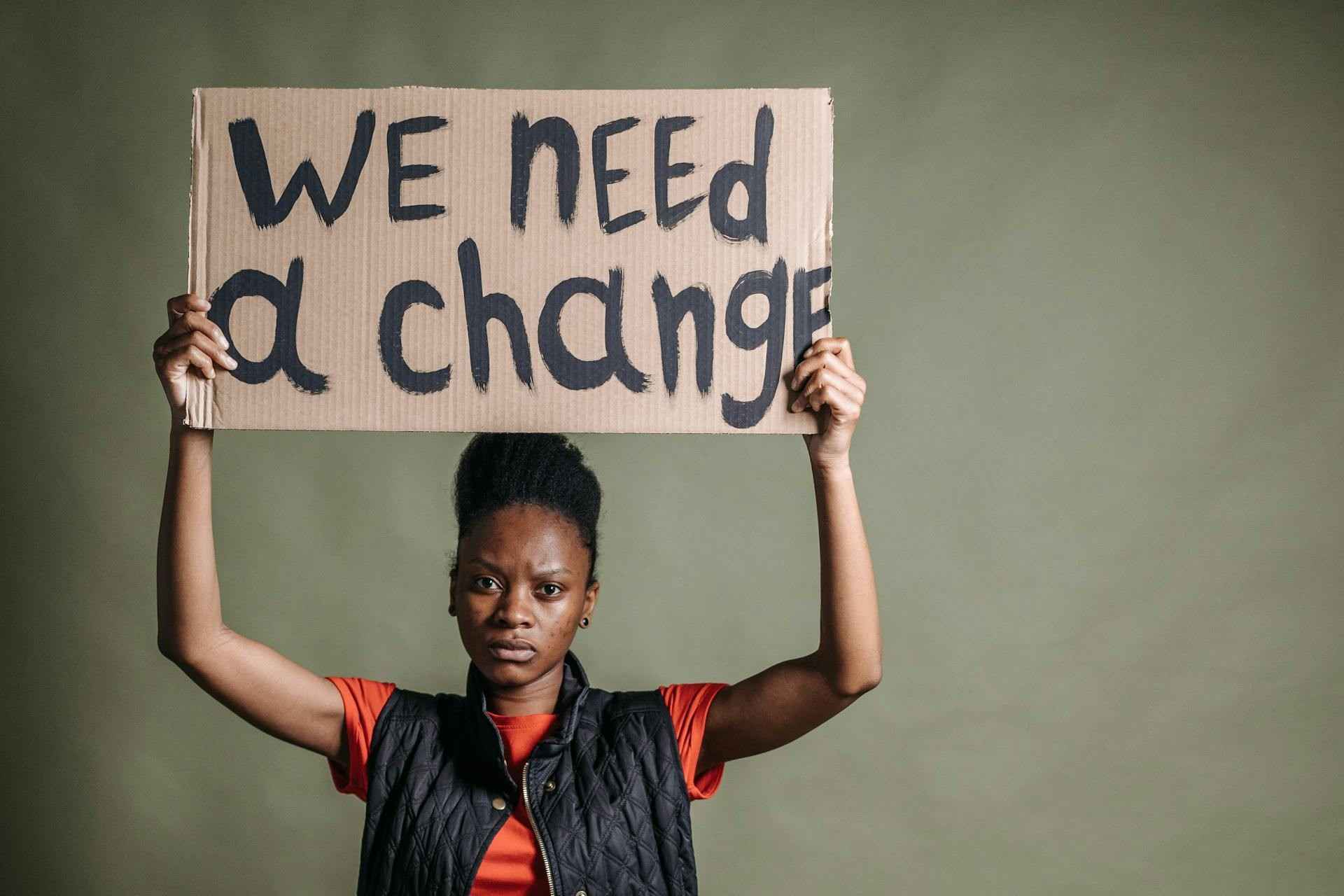
Mental health is something that can’t be overlooked, and we need to start talking about it more openly. People need to know that it’s okay to not be okay, that it’s okay to ask for help, and that we don’t have to suffer in silence.

Through it all, I learned some invaluable lessons about mental health and well-being:

1. The Importance of Self-Care:

When you’re caught up in the needs of others, it’s easy to forget about yourself. But I learned that taking care of my own mental and emotional health was just as important as caring for my mother. I had to find ways to recharge, whether through reading, walking, or simply having a moment to myself.

2. You Don’t Have to Carry the Burden Alone:

In my darkest moments, I thought I had to handle everything on my own. It wasn’t until I reached out for help—whether from a counsellor, a support group, or trusted friends—that I began to feel lighter. Seeking support doesn’t make you weak; it makes you human.

3. Resilience Resides Within:

There were times I didn’t think I had the strength to keep going, but I found reserves of courage I didn’t know existed. Resilience doesn’t mean you never break, but that you learn to get up after each fall.

4. Hope is Vital:

Even when things felt hopeless, I held on to the belief that things would eventually get better. It was this hope that kept me going, even when I couldn’t see a clear path forward.

Advocating for Mental Health Awareness Is Key to Fighting Stigma

My experience taught me that resilience doesn’t mean suppressing emotions or pretending to be fine—it means accepting that we all have difficult moments, and it’s okay to reach out for help. It’s about recognizing that mental health is a crucial part of our well-being and should be prioritized just like physical health.

Today, as I reflect on those years of caring for my mother and navigating the loss of my father, I see how far I’ve come. I’ve learned that we all have the ability to overcome even the hardest of circumstances according to1 Corinthians 10:13, but only if we allow ourselves to experience God's grace to heal and grow.

And while I continue to advocate for mental health awareness, I do so with the understanding that resilience is not a solitary effort—it’s something we build together, through support, compassion, and empathy.

If there’s one thing, I hope others take away from my journey, it’s that mental health good or bad is real, and it matters. Our experiences—whether they involve grief, trauma, or caregiving—can have a profound impact on our mental well-being. It’s essential to recognize that taking care of our mental health is just as important as caring for our bodies.

No matter what you’re going through, you don’t have to do it alone. Let’s break the silence and build a world where mental health is treated with the same importance and respect as physical health.

Tips and Advice

Based on my experiences, here are some practical tips for anyone struggling with mental health or facing difficult challenges:

1. Prioritize Your Mental Health: Mental health should be treated with the same importance as physical health. If you feel overwhelmed, sad, or anxious, seek help. Don’t wait until things get worse.

2. Reach Out for Support: Whether it’s a therapist, a friend, or an online community, find someone you can talk to. Sharing your struggles can lighten the load and provide clarity. You can join our online community on Telegram, and seek the help and advice you need.

3. Practice Self-Compassion: Be kind to yourself. It’s easy to fall into self-blame or guilt, but you need to remind yourself that you’re doing the best you can. Self-compassion is a key part of healing.

4. Build a Routine: Establishing a daily routine can create structure in chaotic times. It helps reduce anxiety and gives you a sense of control.

5. Focus on Small Wins: Celebrate even the smallest victories. Whether it’s getting through a tough day or accomplishing a task, these moments of success are reminders of your strength.

Take Action

If you’re struggling, please don’t hesitate to reach out. There are mental health resources available, whether through local counsellors, online therapy, or support hotlines. You’re not alone, and there is no shame in seeking help. Your mental health matters, and you deserve to live a life filled with peace, hope, and healing.

If you’ve gone through similar struggles, consider sharing your story. By being open and vulnerable, we can reduce the stigma around mental health and encourage others to seek the help they need.

Here are some resources that can provide support:

1. Mental Health Uganda - website

2. World Federation for Mental Health - website

It Gets Better

While my journey has been difficult, it has also been one of profound growth. I’ve learned that even in the darkest moments, there is a way forward. Resilience, hope, and seeking help have been my guiding lights. If you’re facing a similar situation, remember: it’s okay to not be okay, and it’s okay to ask for help. The road to healing is long, but you don’t have to walk it alone.

By sharing my story, I hope to encourage others to prioritize their mental health and seek the support they deserve. No matter what you’re going through, your story matters, and your mental health is important.

Healing is possible, and it starts with acknowledging the power of resilience, the importance of seeking help, and the necessity of advocating for mental health awareness in our communities. You are not alone. Together, we can create a space where we all feel supported, understood, and empowered to live our lives with hope for a brighter tomorrow.